
How to Start Canning Tomatoes: Perfect Recipe and Guide

Canning tomatoes is like bottling up a little taste of summer you can pop open any time of year. With just a few jars, some fresh tomatoes, and a few staple ingredients, you can turn your garden’s bounty or a good farmers’ market haul into home-canned tomatoes. It’s part kitchen magic, part old-fashioned know-how, and 100% worth the effort when you open a jar in the middle of winter and it smells like August.
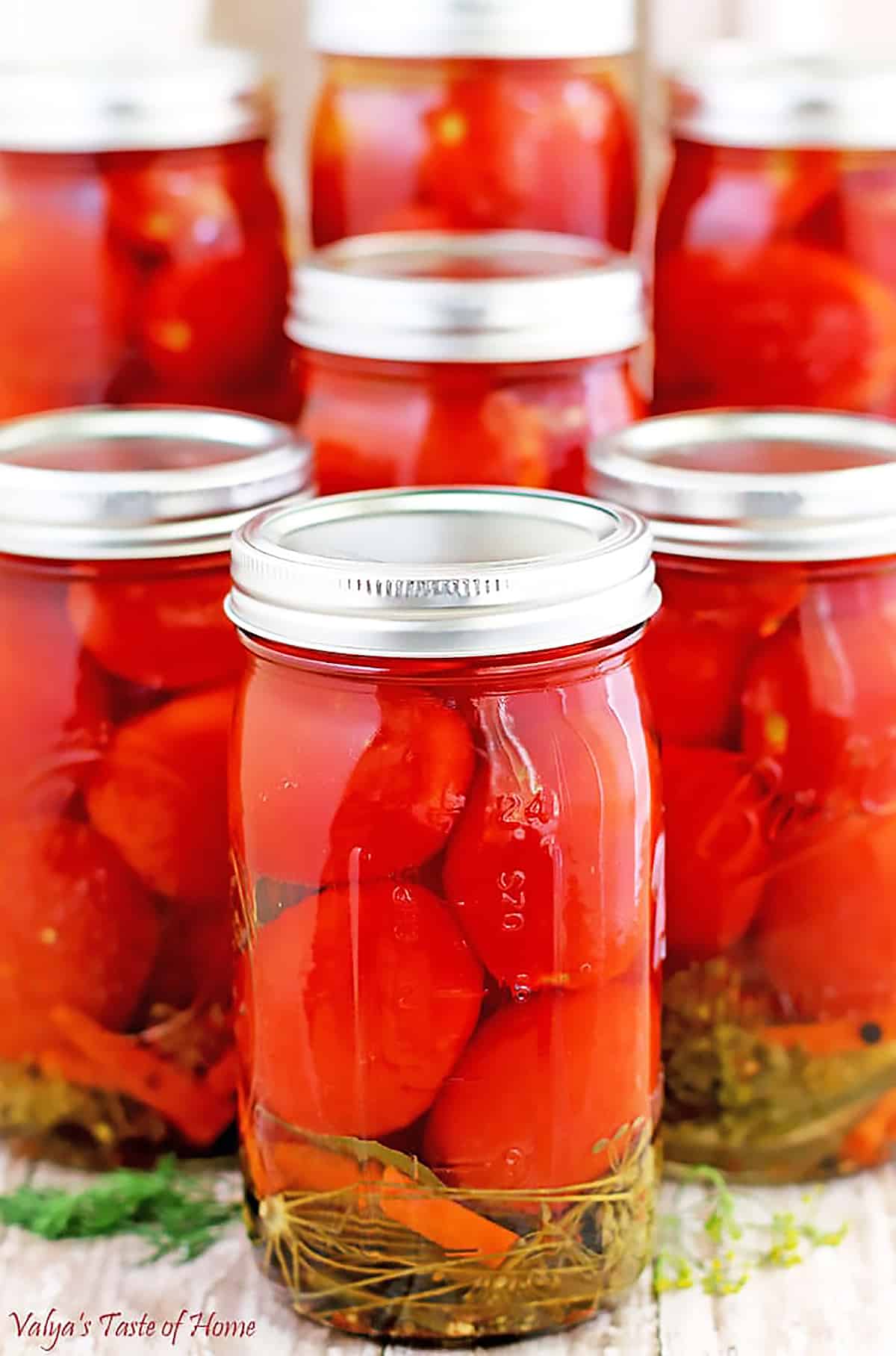
They are a great addition to your pantry and can be added to different recipes such as chili, stews, soups, blended into salsa, or to make a quick, delicious tomato sauce.
This post and my recipe will teach you all of that and more. This complete guide to canning tomatoes is all you need to get the best-tasting canned tomatoes ever!
What is Canning?
Canning is a method of food preservation that involves placing foods in jars or similar containers and heating them to a temperature that kills microorganisms that cause food to spoil.
Heat also inactivates enzymes in the food, which can lead to rotting.
During the heating process, air is forced out of the jar, forming a vacuum seal as it cools. This seal prevents air from entering the product and contaminating the microorganisms.
This increases the shelf life of canned produce, and certain high acid foods, such as tomatoes and fruits, can survive up to 12 months.
To be clear, canning refers to the heat treatment procedure, not the sort of container in which a food item is canned.
Today we’ll be canning tomatoes in a step-by-step process that will give you incredible results easily at home.
Tomatoes from damaged or frost-killed vines should not be used because they may carry harmful pathogens that may not be killed during processing.
What are the Different Types of Canning Methods?
There are two main types of canning namely water bath canning, and pressure canning. Let’s look at each of these in more detail:
Water Bath Canning
Water bath canning is a method of canning that involves immersing the jars in hot water and heating them for a set amount of time. A water canner is nothing more than a large saucepan or large pot with a removable rack that holds all of the jars.
The rack keeps the jars from touching the bottom of the pot and provides for even spacing.
It also allows boiling water to circulate around and beneath the jars, resulting in a more equal heat treatment of the contents.
Pressure Canning
Pressure canning is a type of canning that is used to process foods that need to be processed at higher temperatures.
This method should be used for less acidic foods, such as carrots and cucumbers since the water bath canning method is not a good way to heat treat such foods.
Many people think that pressure canning is done in traditional pressure cookers, but that’s not true.
The pressure cooker is not a great alternative for temperature control, and it increases the danger of food not being properly heat-treated, which is required in order to eradicate the resistant Botulism-causing bacteria.
Additionally, adjusting processing times safely is nearly impossible due to variations in pressure cooker sizes.
In short, never use a pressure cooker and always use a pressure canner when following this method.
Options for Pressure Canners
Pressure canners are different from water bath canners because they either have a weighted gauge or a dial gauge.
Pressure is indicated by a dial on dial gauge canners. You must keep an eye on the dial gauges to ensure that the pressure does not fall below the required level.
Dial-gauge canners are preferred at higher altitudes because you can more easily monitor and adjust the pressure in the canner to cater for higher altitudes.
Weighted-gauge canners, on the other hand, have small weights placed over the vent that weigh around 5 to 15 pounds.
When the proper pressure is applied, they rock or jiggle.
I wanted to make sure you had as much information on canning tomatoes and the methods as possible, but the method we’ll be using today is incredibly easy and simple to do at home.
Let’s see how to pick a preferred method for canning and then understand how the recipe works.
How to Choose a Preferred Canning Method
Different foods have varying acidic contents, and the acidic content is by far the most important factor in deciding which canning process to choose.
Foods with a higher PH-value have a greater acidic content, which makes bacteria’s environment more unfriendly.
Simply boiling them at 100 degrees Celsius (212 degrees Fahrenheit) is enough to eliminate any remaining microorganisms.
Water bath canning is an adequate method of food preservation for high-acid foods since bacteria are less likely to survive.
Low-acid foods, on the other hand, can be a breeding ground for bacteria if not canned correctly.
These foods must be boiled at temperatures greater than 100 degrees Celsius, and increasing the pressure is the only technique to raise the boiling point of water. As a result, the ideal canning method for various sorts of produce is pressure canning.
Boiling water canners are capable of processing certain low-acid foods however this depends on the recipe.
Cucumbers, for example, are normally low in acid, but when pickled with vinegar, they form a high-acid food that may be processed in a water bath canner.
The Best Method for Canning Tomatoes
This is why, the best method for canning tomatoes is an easy water bathing technique.
I grew up canning fruits and vegetables with my mom and still enjoy doing it to this day. I’ve tried a few different blends in the past.
This particular canning tomatoes recipe is my aunt Lyuda’s, and the one that takes the number one spot for me.
In my experience, tomatoes are way easier to can than pickles. Canning, in general, feels very therapeutic and satisfying to me. From start to finish. And then you enjoy the fruit of your work in your accomplishment. For their own reasons, my kids are not very big canned tomato fans, so I do not can too many jars. These 8 jars will be just enough for my husband and me, which is all right with me.
Once you’ve finished canning tomatoes, allow the jars to stand untouched for 30 days before opening a jar to allow time for the tomatoes to absorb and enrich with the flavors.
They go perfectly with any potato dish (especially fried potatoes), any pasta dish, plov, etc.
I highly recommend you try this canning tomatoes recipe and method. Let me know how your experience was by commenting down below!
What Types of Acids Can You Use for Canning Tomatoes?
There are certain things to keep in mind when canning tomatoes. The most important thing is using some acid when prepping the tomatoes for canning.
The National Center for Home Food Preservation advises adding a little acid to tomatoes regardless of the canning method, so go ahead and give those tomatoes an acid boost even if you’re pressure-canning.
When canning tomatoes, more acid is required to maintain a pH level that prevents bacteria.
There are three simple ways you can use to adjust the acidity when canning tomatoes.
Distilled White Vinegar
This is by far the best acid to use for canning tomatoes. It’s cheap and doesn’t alter the flavor of the tomatoes too much.
Citric acid
The next one is citric acid. It’s another good option since it doesn’t affect the flavor of tomatoes.
Bottled Lemon Juice
Bottled lemon juice has been evenly acidified, resulting in a constant and predictable acid (pH) level required for safe canning. Freshly squeezed lemon juice should not be used since the level of acid in the juice cannot be determined.
Do I Need to Peel Tomatoes?
Not entirely necessary, but if you want to you can blanch them in a pot of water to remove the peels.
To do this, first score the tomatoes with a paring knife. Then, depending on the size of the tomato, blanch a few tomatoes at a time in the boiling water for just 30 seconds or until the skin begins to curl up where you scored it.
Next, using a slotted spoon, remove them and dip them in ice water. After that, put them in a colander over a bowl to collect any excess liquid.
Remove the skins and cores of the tomatoes when they are cool enough to handle.
Canning Tomatoes Ingredients
Canning tomatoes at home is an easy and rewarding process. Here’s what you need to do it at home today:
- Water: We’ll be using some filtered water for canning tomatoes perfectly.
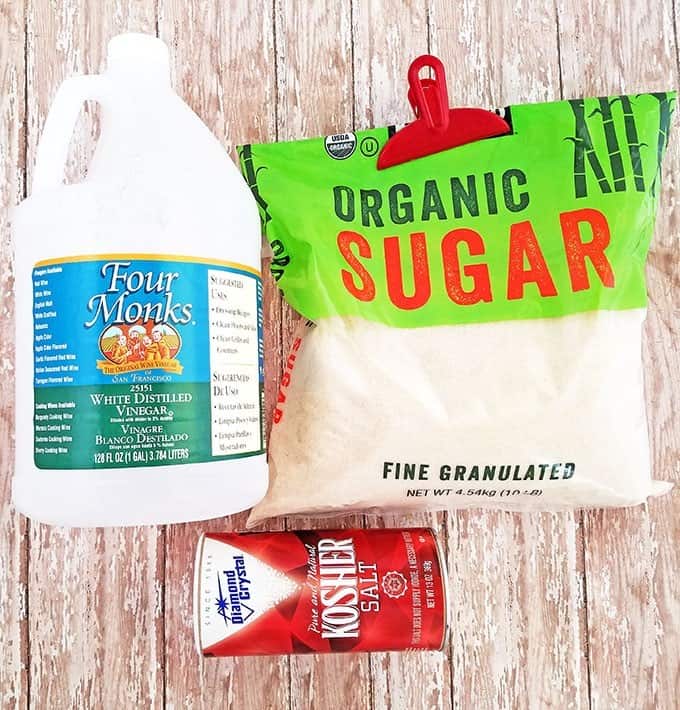
Sugar: We’ll be making a syrup to add to your canned tomatoes to not only enhance their flavor but also help them preserve better.
Salt: You’ll also need salt to make the syrup and add to the tomato mixture.
Distilled white vinegar: As I mentioned above, it’s incredibly important to add an acid to your tomatoes regardless of the method of canning we’re using. So we’ll be adding some distilled white vinegar since it’s simple and easy to find everywhere. We’ll be using 6 tablespoons of it.
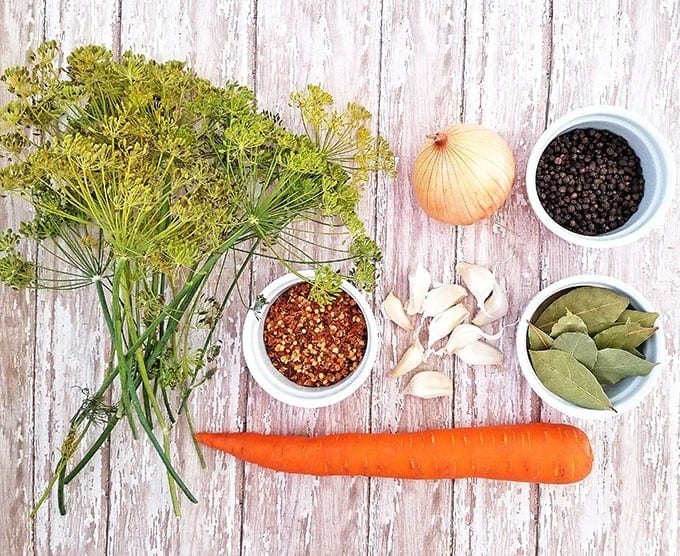
Veggies: We’ll also be adding a bunch of veggies to enhance the flavor of our canned tomatoes. My recipe recommends adding yellow onions, garlic cloves, and carrots, but you can add other ones you might like such as celery and green peppers.
Spices and herbs: The next thing you’ll need is some spices and herbs. We’ll be adding some peppercorns, crushed red pepper flakes, and bay leaves to our tomato mixture.
Fresh herbs: I also recommend adding dill to your tomato mixture for the most delicious canned tomatoes you’ve ever had!
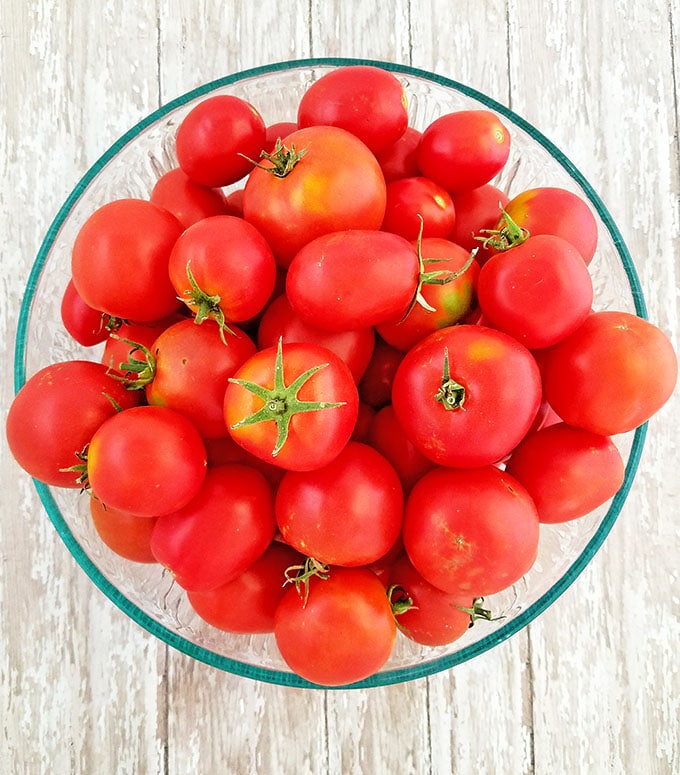
Tomatoes: I have a full section above discussing how to pick the best tomatoes for canning them. I recommend reading that to make sure you pick the right ones. Personally, I prefer using smaller tomatoes for canning.
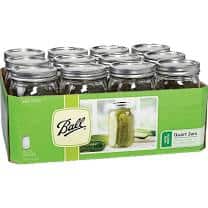
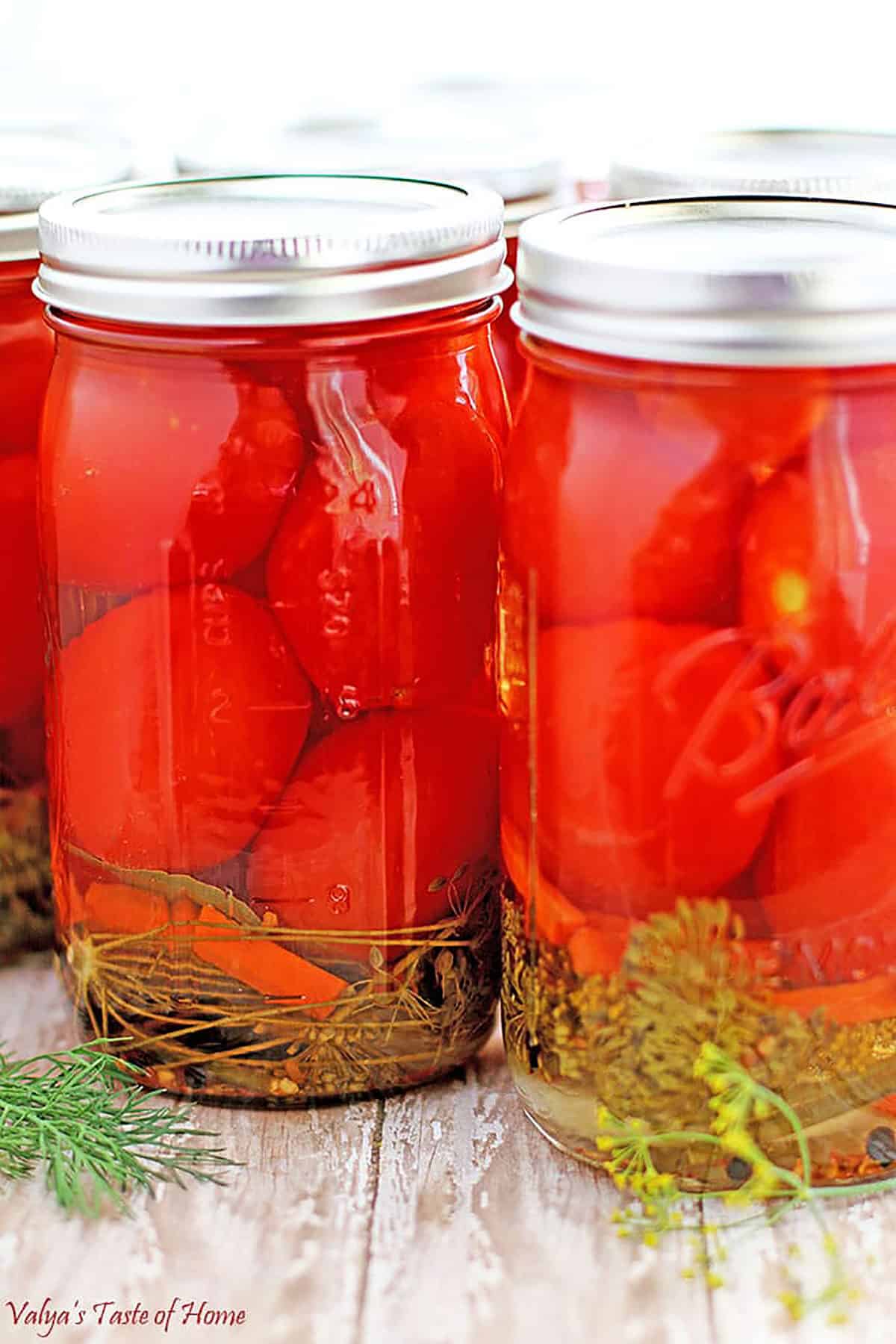
Jars: You’ll also need 8 wide-mouth quart-sized (946 ml or 1 L) canning jars for this recipe. This canning load is enough for 8-quart jars or 16-pint jars.
How to Can Tomatoes
This is by far the easiest recipe for canning tomatoes. Here’s what you’ll need to do step by step:
How to Prep Veggies for Canning Tomatoes
First things first, prepare the vegetables.
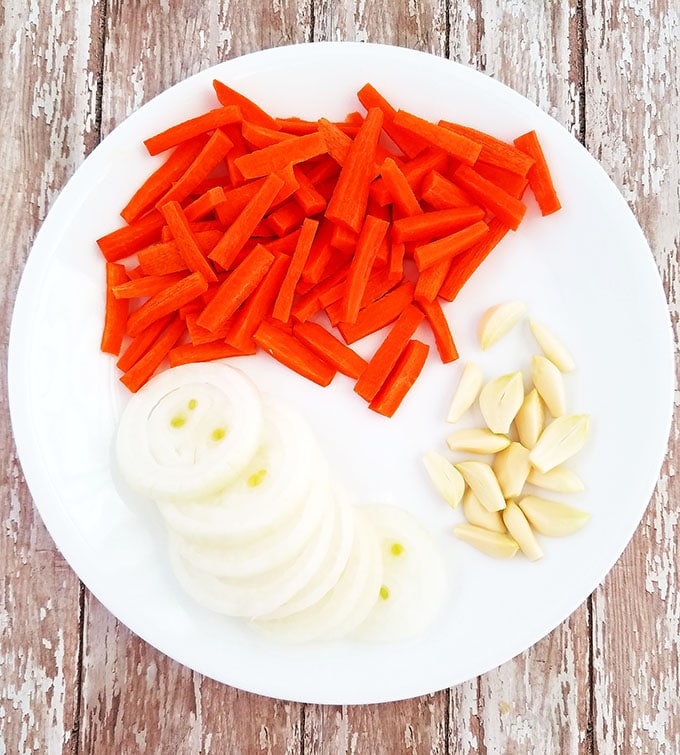
Peel, rinse, and then slice an onion into 8 rings. Then peel and rinse garlic cloves. And then peel, rinse and cut a carrot into one inch (2.5 cm) long sticks. Set aside until ready for use.
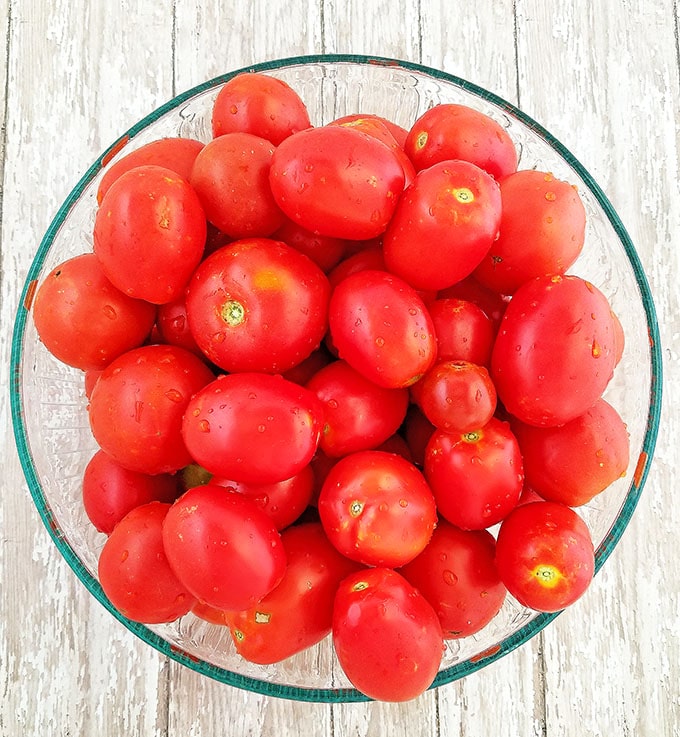
Next, wash tomatoes and set them aside.
How to Make Syrup for Canning Tomatoes
Time to prepare the syrup!
Add sugar, sea or kosher salt, and vinegar to the water. Stir until sugar and salt granules dissolve. Set aside.
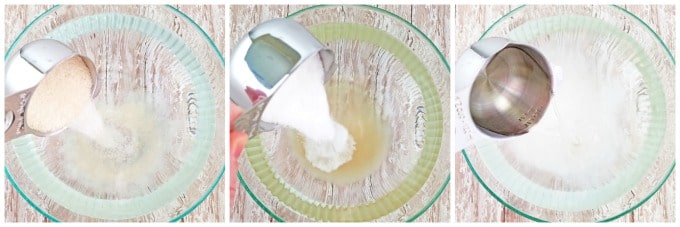
How to Prep Jars for Canning Tomatoes
Now let’s prep the jars for canning our tomatoes.
Rinse jars and lids with soapy warm water. With this method, you don’t need to sterilize your jars.
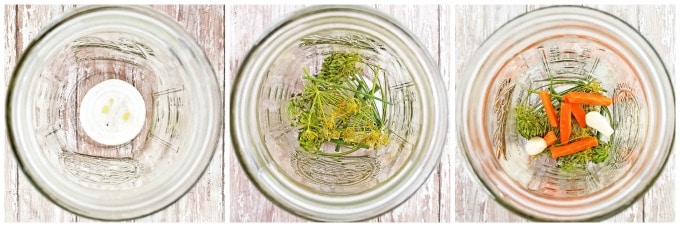
Place one ring of onion into a jar then 2 flower heads of fresh dill, 2 small garlic clove, and 6 carrot sticks.
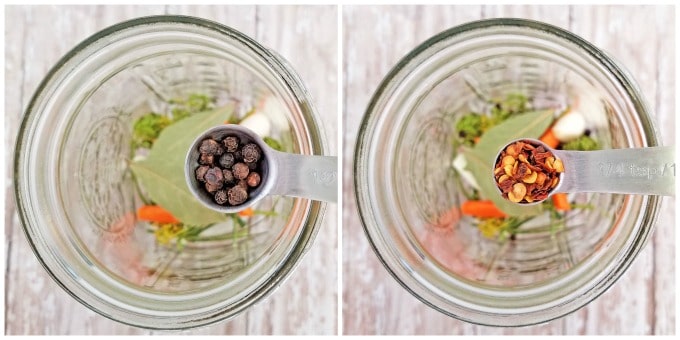
Then add 2-4 bay leaves, 20 peppercorns, and 1/4 tsp. of red crushed peppers.
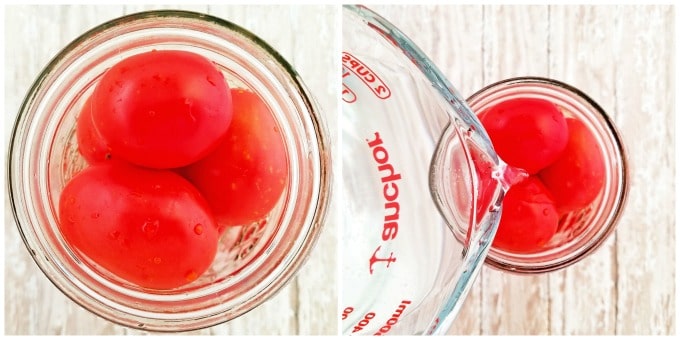
Pack whole tomatoes into a jar as compactly as possible without squashing them. Fill jars with cold syrup. Pour or ladle the cold syrup over the tomatoes leaving a ½ inch headspace.
How to Can Tomatoes
Let’s can our tomatoes!
Place 4 jars into Stove Top Canner pot, and fill the pot with cold water until the jars are submerged ¾ in the water.
Bring the water in the canning pot to a boil.
When the water in the canning pot will start boiling you will also see the air bubbles floating from the bottom to the top in the jars, this means that the water in the jars is boiling as well.
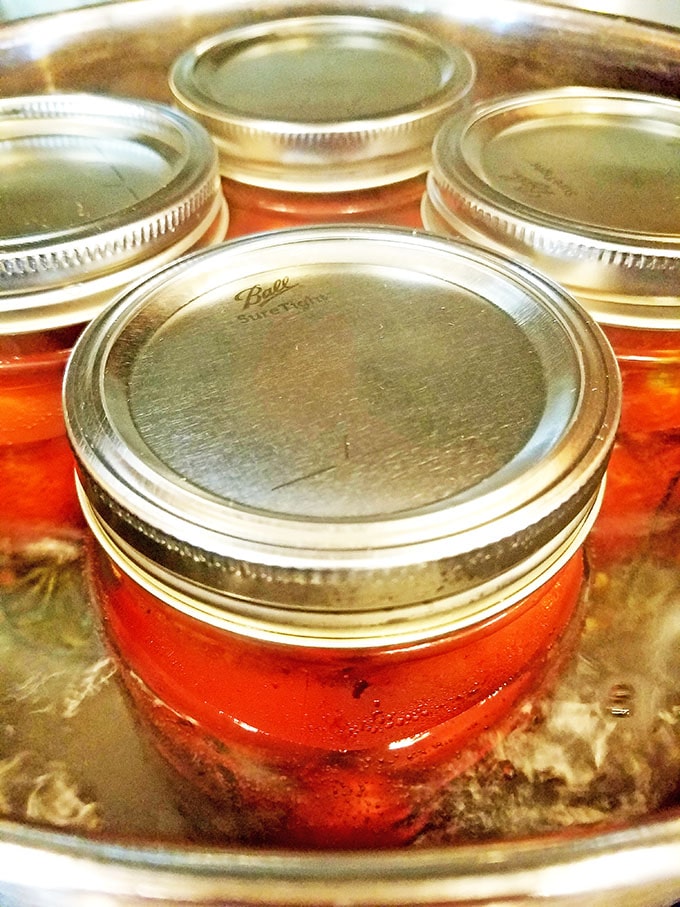
Let the water in the canning pot boil for about 3 minutes.
Place the lids (I use new lid every time) and rims on the jars, and tighten with your bare hands as tight as you can. This way you will feel if the lid is screwed properly not sideways, but be careful not to burn your hands.
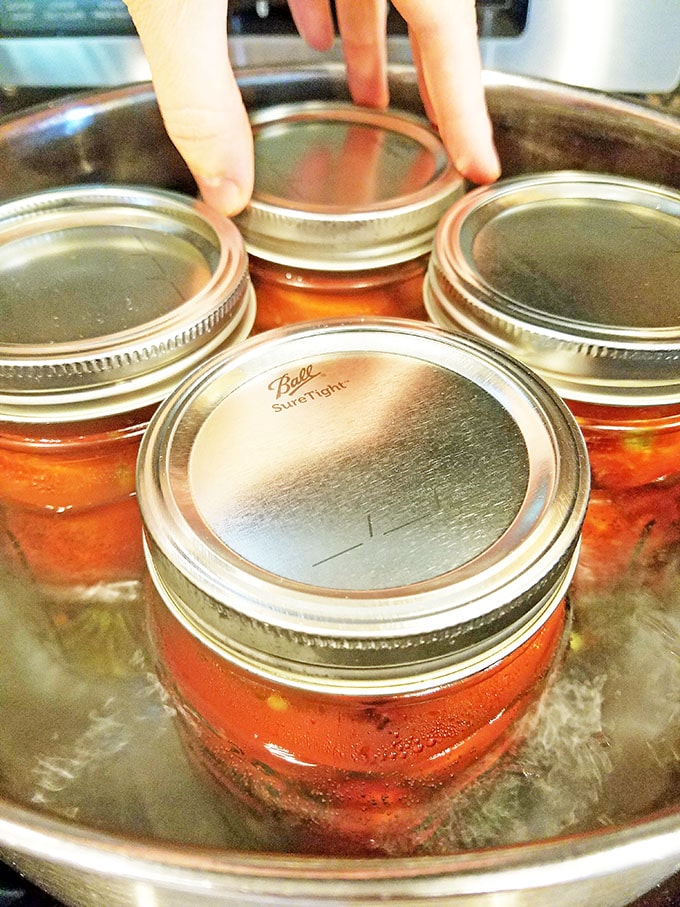
Put on canning gloves or use a jar lifter to remove the jar from the pot of hot water. Screw the lid pretty tight.
This 8 lbs canner load of tomato mixture makes enough for 8-quart jars or 16-pint jars.
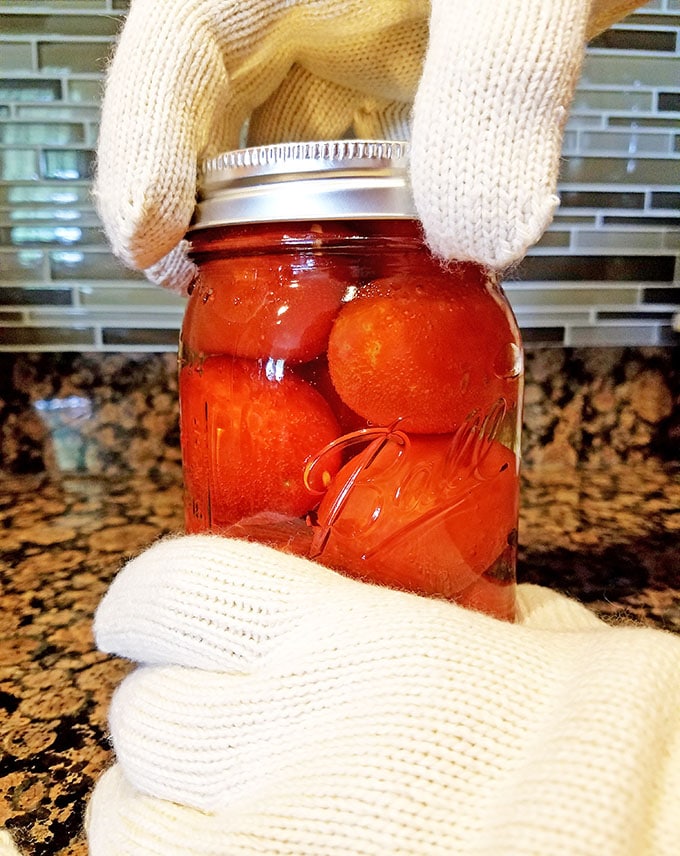
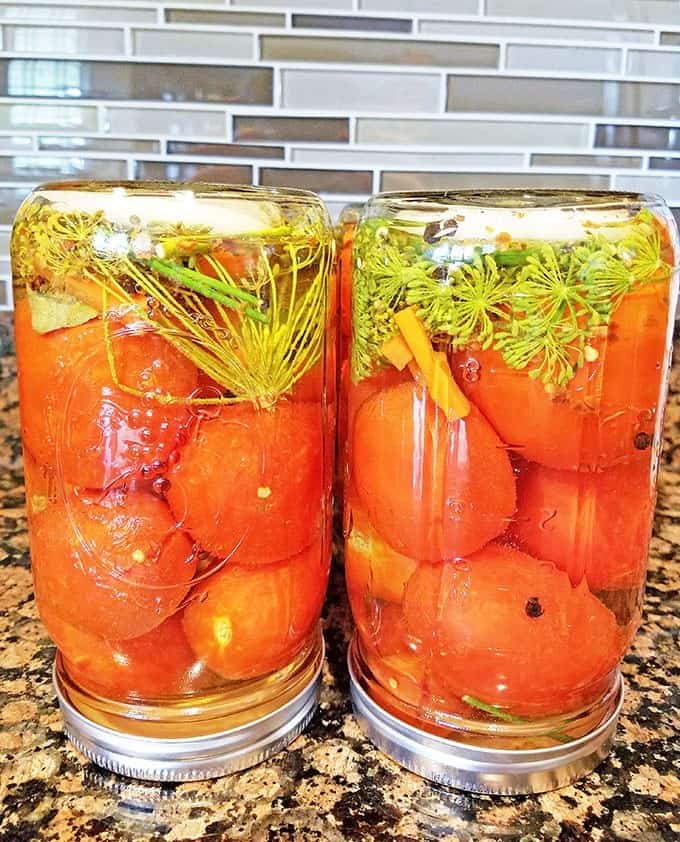
After taking the jars out of the water, tighten the lids securely, then turn them upside down and let them cool completely on your counter for about 12 hours. Once fully cooled, flip them right-side up and store them in your pantry.
For a full list of ingredients and instructions, see the recipe card below.
How Long Can You Store Canned Tomatoes
It is recommended that you know how to store canned tomatoes properly if you want to preserve their top quality for as long as possible. Unopened cans of tomatoes can be stored at room temperature, but leftovers of opened cans should be stored in the refrigerator.
How to Store Unopened Canned Tomatoes
If canned tomatoes are unopened, they can be stored at room temperature. The best place for them is somewhere cool (about 70 degrees Fahrenheit), clean, and dry, such as your pantry or kitchen cabinet.
You should never put canned tomatoes under the sink, in a damp basement or garage, above the stove, or anywhere else where the temperature is either too low or too high.
If you follow all of the instructions in the recipe, your canned, unopened tomatoes should last you around a year.
How to Store Opened Canned Tomatoes
You shouldn’t leave opened or leftover canned tomatoes out at room temperature for more than 2 hours. The fridge is the best place to store them.
Don’t forget to transfer your canned tomatoes to an airtight glass or plastic container before refrigerating. You can extend the amount of time you have to enjoy your tomatoes by up to 5 days as long as you keep them stored in the refrigerator continuously.
Click HERE to download and print Tomatoes Jar Labels for FREE on THIS printable label paper.
How to Start Canning Tomatoes: Perfect Recipe and Guide
Ingredients
- 12 ¾ cups filtered water
- 6 tbsp. organic sugar
- 18 tbsp. Sea or Kosher salt
- 6 tbsp. distilled white vinegar
- 1 medium organic yellow onion (¼ of onion per jar)
- 16 small garlic cloves (2 per jar – I used homegrown)
- 1 large organic carrot (¼ of carrot per jar – I used homegrown)
- 160 peppercorns (20 pieces per jar)
- 2 tbsp. crushed red pepper (¼ tsp. per jar)
- 16 medium bay leaves ( 2-4 bay leaves per jar)
- 16 flowered fresh dill
- 8 lbs. small sized tomatoes
Instructions
How to Prep Veggies for Canning Tomatoes
- First things first, prepare the vegetables.
- Peel, rinse, and then slice an onion into 8 rings. Then peel and rinse garlic cloves. And then peel, rinse and cut a carrot into one inch (2.5 cm) long sticks. Set aside until ready for use.
- Next, wash tomatoes and set them aside.
How to Make Syrup for Canning Tomatoes
- Time to prepare the syrup!
- Add sugar, kosher salt, and vinegar to the water. Stir until sugar and salt granules dissolve. Set aside.
How to Prep Jars for Canning Tomatoes
- Now let’s prep the jars for canning our tomatoes.
- Rinse jars and lids with soapy warm water. With this method, you don’t need to sterilize your jars.
- Place one ring of onion into a jar then 2 flower heads of fresh dill, 2 small garlic clove, and 6 carrot sticks.
- Then add 2 bay leaves, 20 peppercorns, and 1/4 tsp. of red crushed peppers.
- Pack tomatoes into a jar as compactly as possible without squashing them. Fill jars with cold syrup. Pour or ladle the cold syrup over the tomatoes leaving a ½ inch headspace.
How to Can Tomatoes
- Let’s can our tomatoes!
- Place 4 jars into Stove Top Canner pot, and fill the pot with cold water until the jars are submerged ¾ in the water.
- Bring the water in the canning pot to a boil.
- When the water in the canning pot will start boiling you will also see the bubbles floating from the bottom to the top in the jars, this means that the water in the jars is boiling as well.
- Let the water in the canning pot boil for about 3 minutes.
- Place the lids and rims on the jars and tighten with your bare hands as tight as you can. This way you will feel if the lid is screwed properly not sideways but be careful not to burn your hands.
- Put on canning gloves or use a canning utensil to remove the jar from the pot of hot water. Screw the lid pretty tight.
- This 8 lbs. canner load of tomato mixture makes enough for 8-quart jars or 16-pint jars.
- After taking the jars out of the water, tighten the lids securely, then turn them upside down and let them cool completely on your countertop for about 12 hours. Once fully cooled, flip them right-side up and store them in your pantry.
Notes
Thank you for following me on Instagram, Facebook, and Pinterest!





Hi Valya,
So after you take them out of the water bath and screw on the lids, what do you do next? Do you need them to sit on the counter or flip them over and let them sit? or are they done after you take them out of the water and tighten them?
Hi Olga!
After removing them from water, screw the lid tight, flip the jars and let them completely cool to cold on your countertop (for about 12 hours or so). Then flip them back to normal position and store them in your pantry. Thanks for asking!
Hello, when you pour the cold syrup into the jar, how do you get everything to dissolve? Do you warm it so it can mix, then have cool down and after pour into jars of tomatoes? Please clarify. I’m new with this canning 😀
It will dissolve on its own, no warming up is needed. Fill the cold mixture into jars filled with tomatoes and then bring it to a boil.
Hi Valya, This will be the first time trying this recipe. Was wondering what I could do with all those cherry tomatoes in my garden. Good way to use up my dill, carrots, and onions also. Sounds good and can not wait to try. Just wondering if I can also use the orange tomatoes as well as red? Hope to hear from you.
Any tomatoes are great for canning no matter how small or it’s color. I hope this is helpful, and I can’t wait to hear how it went!
Are the canned tomatoes then shelf stable or do they need to be refrigerated?
Yes, they are shelf stable for up to a year. Thank you for asking!
Hi Valya, are you sure you put salt 3 times more than sugar? I put sugar two times more than salt 🤔 maybe we just like this way
Yes, that is right. This recipe is for saltier canned tomatoes, not sweet.
I made it a few years ago but it turned out very spicy, probably because of 160 – peppercorns (20 pieces per jar), i prefer more sweet taste of canned tomatoes.
The spiciness comes mostly from the crushed red pepper. You can omit that and add less vinegar for more sweet taste. I hope this helps.
Hi! Question: most canning recipes use canning salt, but you use kosher.. I have canning salt but don’t know if I need to adjust the proportions since the salt is different.. ? Really want to try this recipe bit font want to ruin it
I have not used canning salt for this recipe so can’t tell the amount you will need. The salt will not ruin the recipe, it will turn out either saltier on not enough salt. Since everyone does not like the same amount of salt in recipes you can adjust the salt to your liking next time you’re canning them again. When I got this recipe from my aunt I had to adjust the amount of salt to my family liking as well. I hope this helps. Let me know how it goes!
Hi Valya,
So you dont need to flip the cans over or something like that? I have never canned anything and am curious about it. You made it sound simple. Could I use any regular pot to boil those glass jars in or must it be the one you mentioned? And can you use any tomatoes? Were you using Romas in here? Must it also be organic sugar?
Flipping a can upside down creates a stronger vacuum, so this step is important. Yes, I used Roma tomatoes as well, and boiling cans in a regular pot with small cloth place onto the bottom of the pot is totally ok. No, sugar doesn’t have to be organic. I hope this help.
Oh my Goodness Valya…… My mother and my Babushka used to make this recipe all the time. They’ve both passed on without leaving a written recipe for me and my sister.. I’m so glad I found your recipe! Thank you so much!
Im so happy you found the recipe. Canned tomatoes are something I missed as well, because my mom past away at the early age and I didn’t know how to can it. But if you read the intro paragraph I got this recipe from my aunt. We love it so much. I hope you will enjoy it as well!
What would be the boiling time for 2 liters jars? Have you tried canning tomatoes using 2 liters jars? Thanks
Yes, I sure did. The boiling time is the same as long as the jars 3/4 submerged in the water. I prefer using 1 L (or quart) jars, because it doesn’t go into waste. If you choose to use 2 L (half galon) jars you can use bigger size tomatoes for canning. I hope this clarifies a little bit more.
I was waiting for this recipe. Thank you Valya!
My pleasure! Have fun canning! :)