
Paska Easter Bread (with Glaze and Sprinkles)

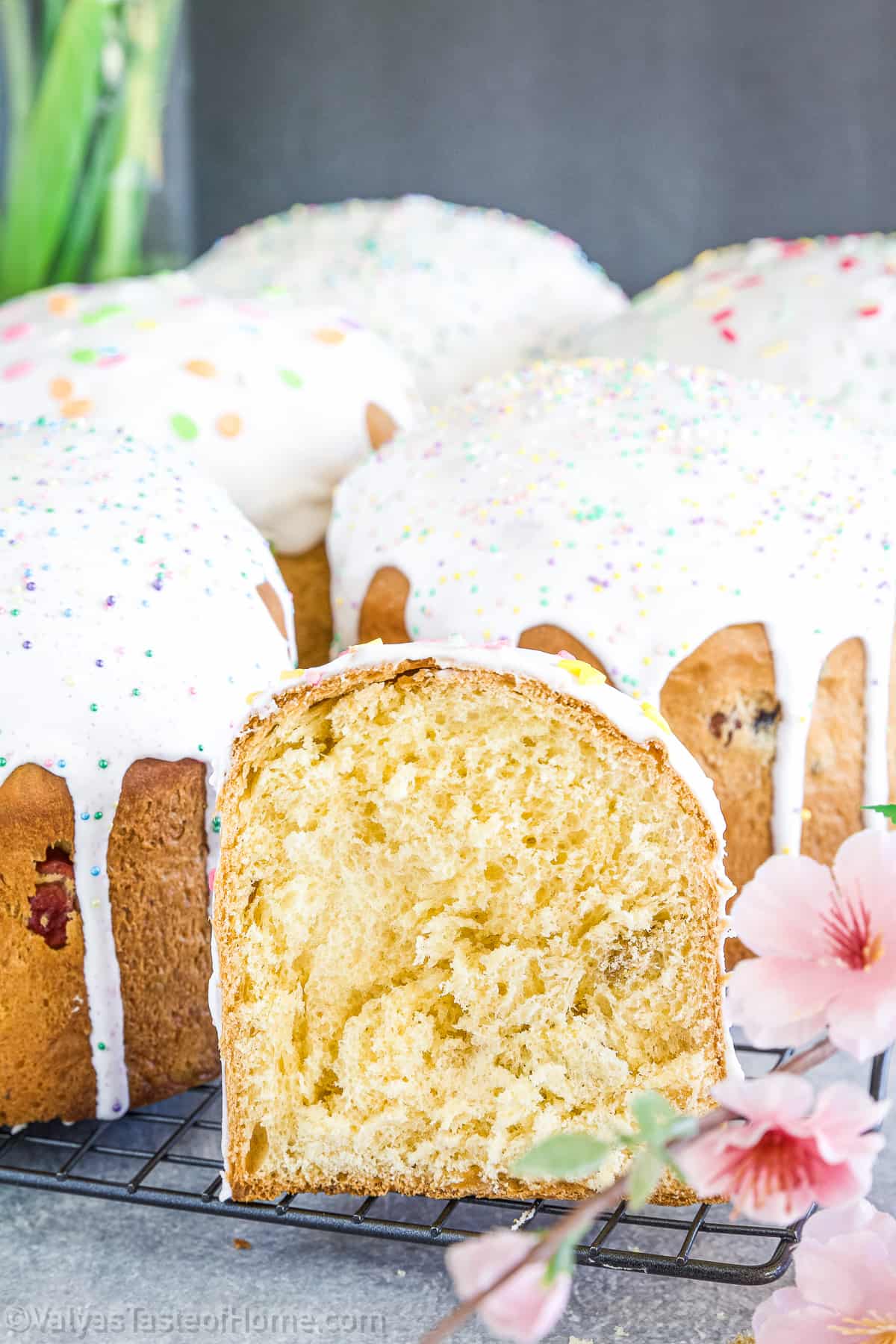
Paska Easter Bread or Kulich is a soft, lightly sweet Easter bread with a rich, tender crumb and glossy glaze. Topped with festive sprinkles, this traditional Ukrainian and Russian loaf and very similar to Italian panettone is perfect for celebrating the holiday.
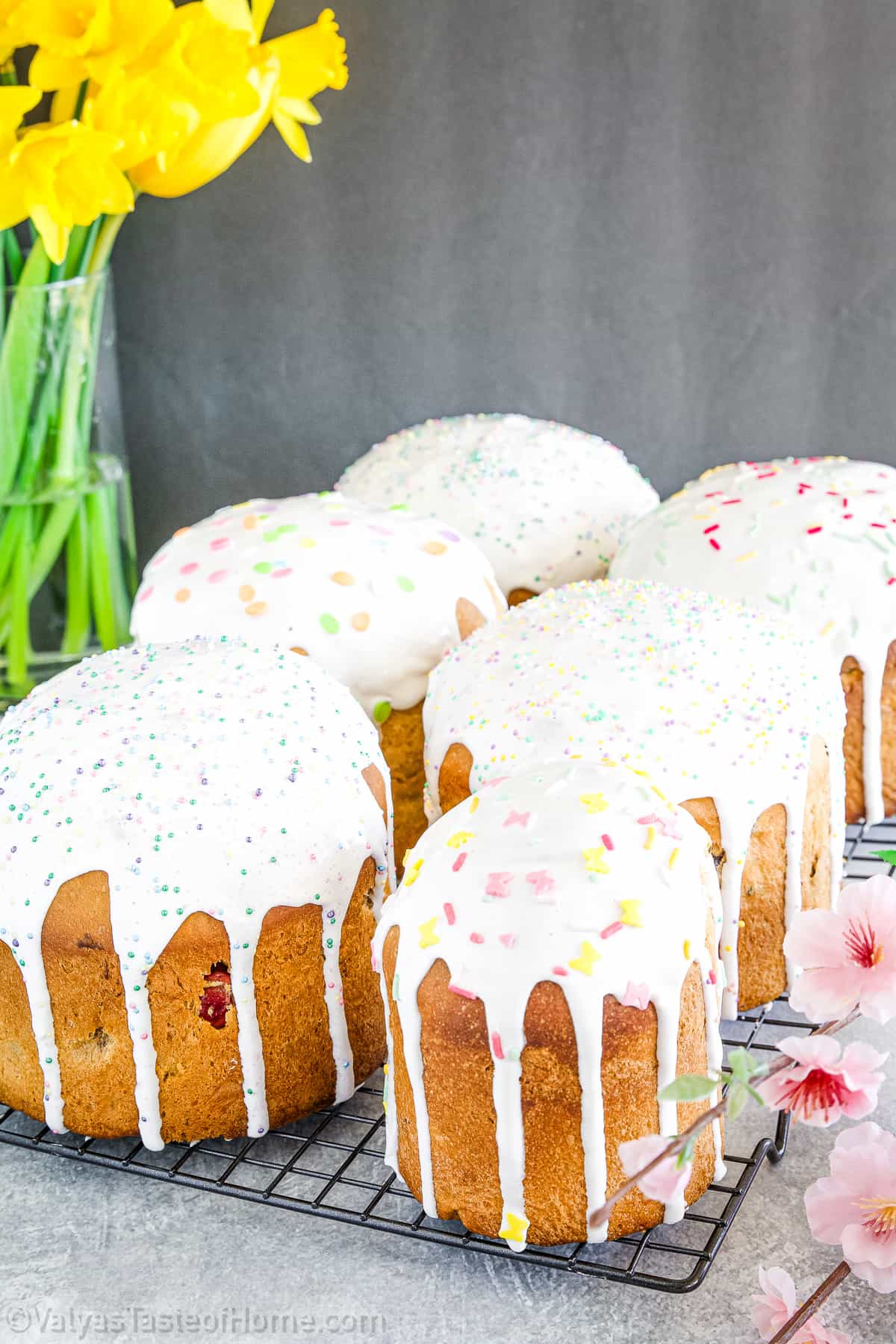
If you’re looking for a bread that’s the perfect blend of traditional and delicious, then this paska recipe is for you. This traditional paska Easter bread is a staple at our family’s celebrations that is passed down to me from my grandmother and my mom. Its light, fluffy texture and just the right level of sweetness make it a hit with both the young and old at our Easter gatherings.
If you enjoy this sweet braided easter paska bread, you might also like my marble bread recipe, perfect for those who prefer a mix of vanilla and chocolate in every bite. And for a fun twist on paska, try my mini-paska recipe, they’re a hit at any Easter celebration and make for great homemade gifts.
Why You’ll Love This Recipe
- Traditional: This Paska Easter Bread recipe is a beloved traditional favorite, passed down through generations, and always a hit at Easter celebrations.
- Festive: There’s something incredibly festive about Paska Easter Bread, especially when it’s topped with a glossy glaze and colorful sprinkles.
- Easy to Make: Despite its impressive look, Paska Easter Bread is surprisingly easy to make, even for beginners.
- Absolutely Delicious: Soft, sweet, and utterly delicious, Paska Easter Bread is the perfect treat for Easter or any special occasion.
Key Ingredients
All you need are some simple pantry staple ingredients to make this Paska recipe at home. Let’s look at them in more detail:
For a full list of ingredients and quantities, please check the recipe card at the end of this post.
Sweet Bread Dough
- All-purpose flour: We’ll be using regular all-purpose flour to make this bread. We’ll add the rest of the mixed ingredients as one of the last steps in this recipe.
- Yeast: You’ll need active dry yeast to make this sweet yeast bread. It’s the traditional leavening agent used to make Easter bread. We’ll use 1 tablespoon of dry yeast.
- Milk: We’ll be using warm milk as the base liquid in this recipe to activate the yeast. You’ll need 1 ½ cup of whole milk to make the bread.
- Sugar: This helps to activate the yeast as the yeast will have something to eat. It also helps to make the bread softer as some of the liquid (milk in our case) will be absorbed by it and it slows down the formation of gluten strands.
- Eggs: Eggs add an additional layer of flavor and richness to this beautiful bread.
- Unsalted butter: Butter adds a delicious texture and feel to this Easter bread. We’ll be using melted and cooled unsalted butter in this recipe. Make sure to go for unsalted butter, rather than the regular salted kind so you can control the flavor. Remember, this is a slightly sweet bread and salted butter will throw off the flavor.
- Salt: We’ll only need ½ teaspoon of salt to balance everything out.
- Vanilla and almond extract: A teaspoon of vanilla extract brings out all the layers and gives a very subtle vanilla flavor to the bread.
- Raisins: We’ll be using golden (yellow) raisins for this recipe. I love raisins and I find that they add a beautiful, sour flavor to this sweet bread. In case you don’t like raisins, you can use poppy seeds instead.
- Milk: This will add a touch of richness to our paska dough, making it even more tender and flavorful.
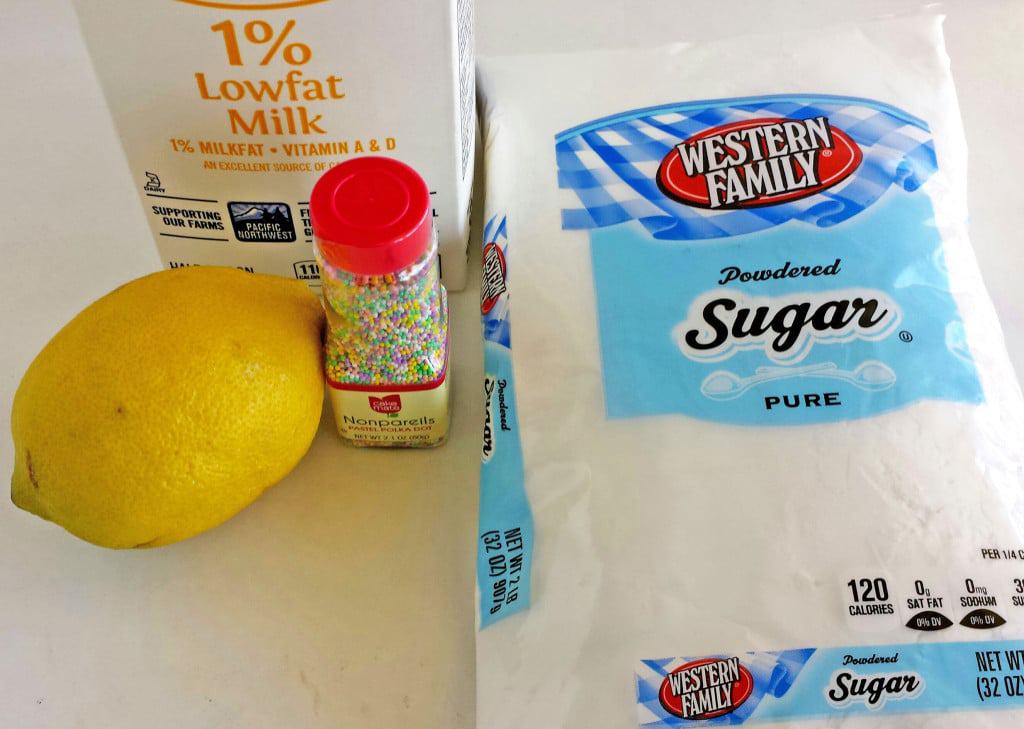
- Powder Sugar: Used in both the dough and the glaze, this will sweeten our paska and give it a beautiful, festive look.
- Lemon Juice: This will cut through the sweetness of the bread and the glaze, giving our paska a nice, balanced flavor.
- Sprinkles: These will add a fun pop of color and a bit of crunch to our paska, making it perfect for Easter celebrations.
For a full list of ingredients and quantities, please check the recipe card at the end of this post.
Please try another version of paska glaze the cooked method.
How to Make Paska Easter Bread
Making this incredible paska is easier than you think. Here’s how to make them at home step by step:
For a full list of ingredients and instructions, see the recipe card below.
Prepare the Dough: Use the same steps as you would for the sweet braided Easter bread with raisins to prepare the dough. Once the dough has risen in a warm place, remove it from the plate onto a large oiled cutting board.
Split the Dough: Next, split the dough into 3-4 pieces, depending on the size of your pots. If you’re using pots that are 6 inches wide and 3 inches deep, you’ll need to divide the dough into 4 pieces. Repeat the same instructions with the remaining dough.
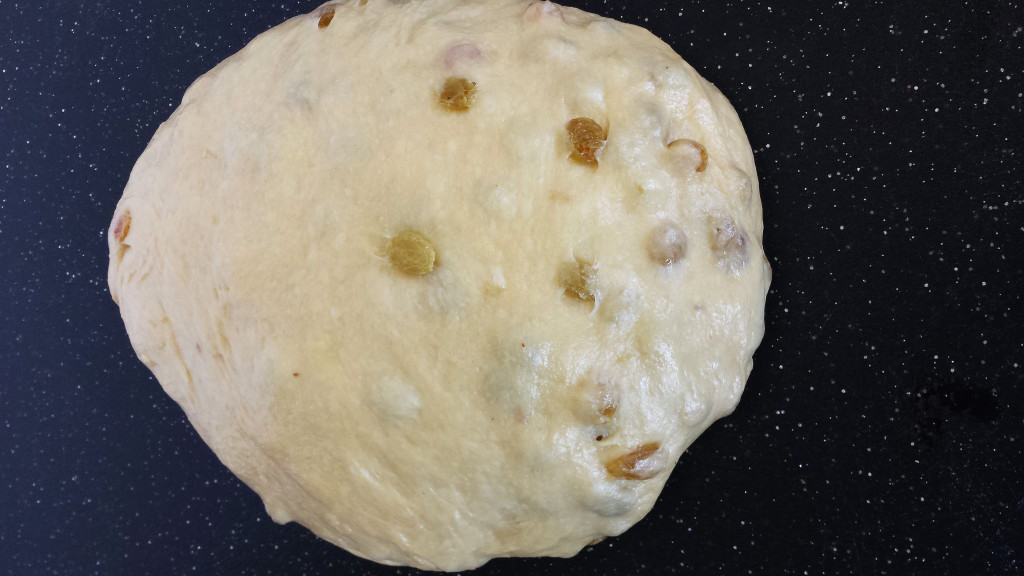
Oil and Let it Rise: Place the dough into greased bowl molds, loaf pans, round springform pan, or cake pans. Let it rise for 45 minutes in a warm oven. You can preheat the oven to 110°F and then turn it off. After the bread rises, remove it from the oven.
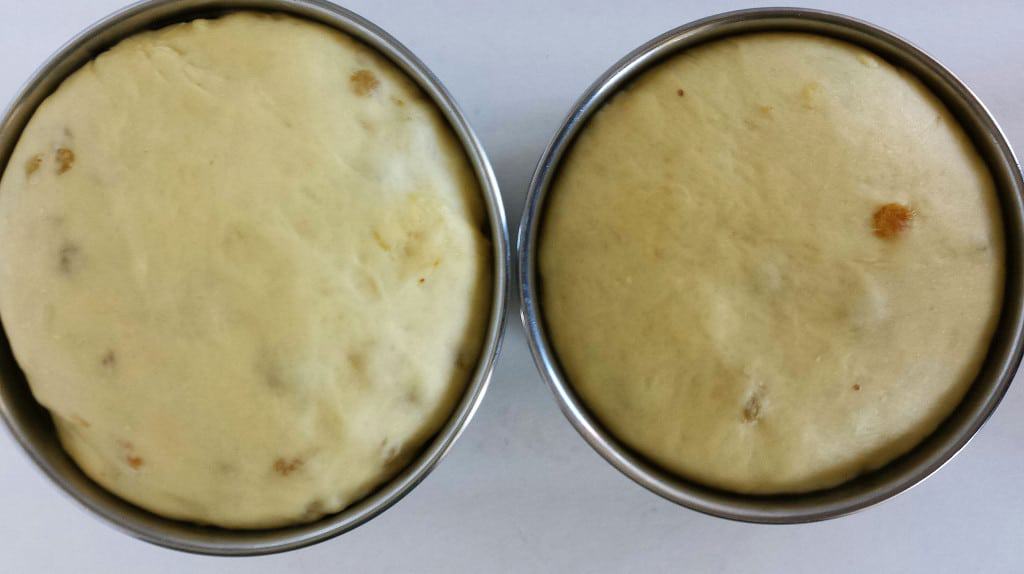
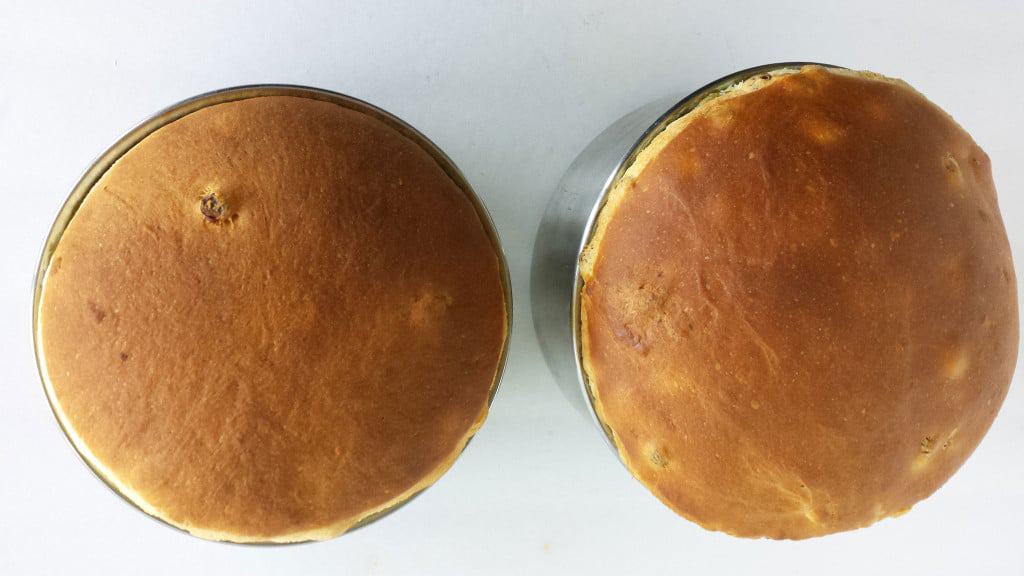
Bake the Bread: Heat the oven to 350°F. Bake all the bread in one oven for 40-45 minutes. Keep an eye on them as the baking time can vary depending on your oven. If the top gets too dark, cover the bread with foil and continue baking.
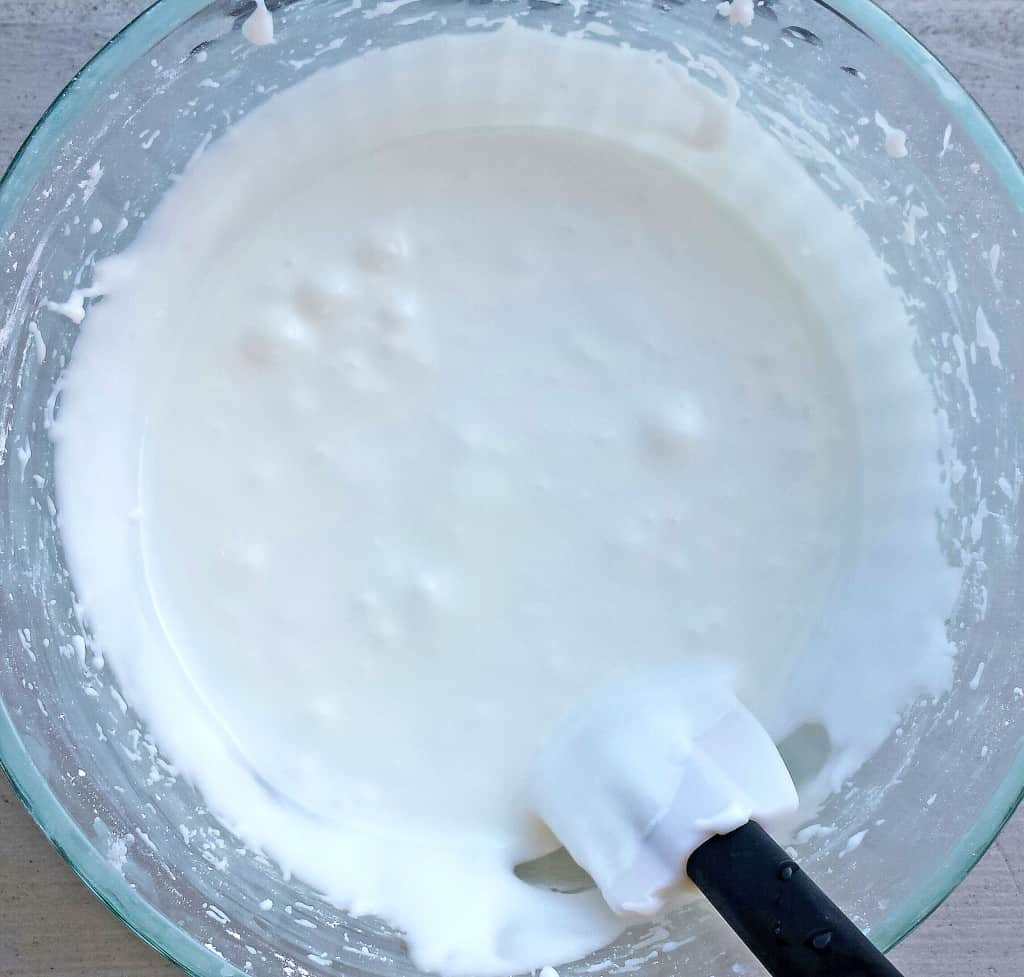
Make the Glaze: While your Paska Easter bread is baking, prepare the glaze for frosting the tops of each bread. In a medium bowl, whisk together milk and powdered sugar for a few minutes. Then, add freshly squeezed lemon juice. Beat the mixture for another minute. Cover the glaze and set it aside until you’re ready to use it.
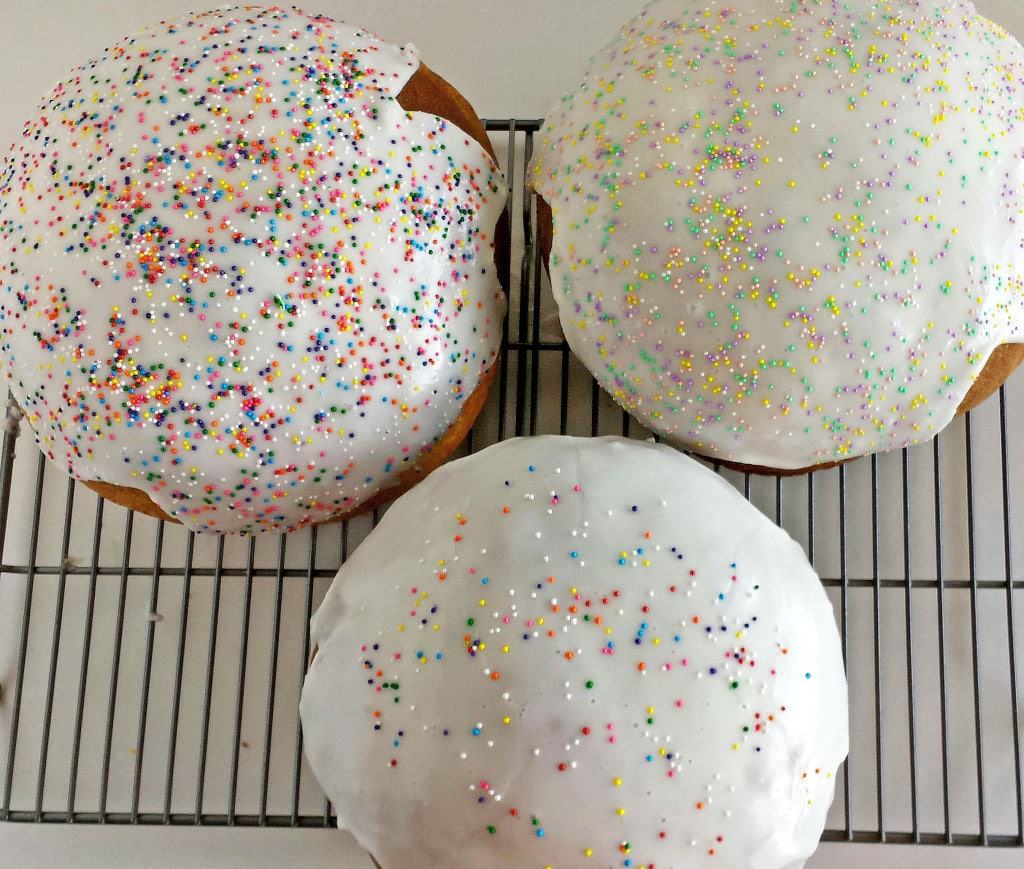
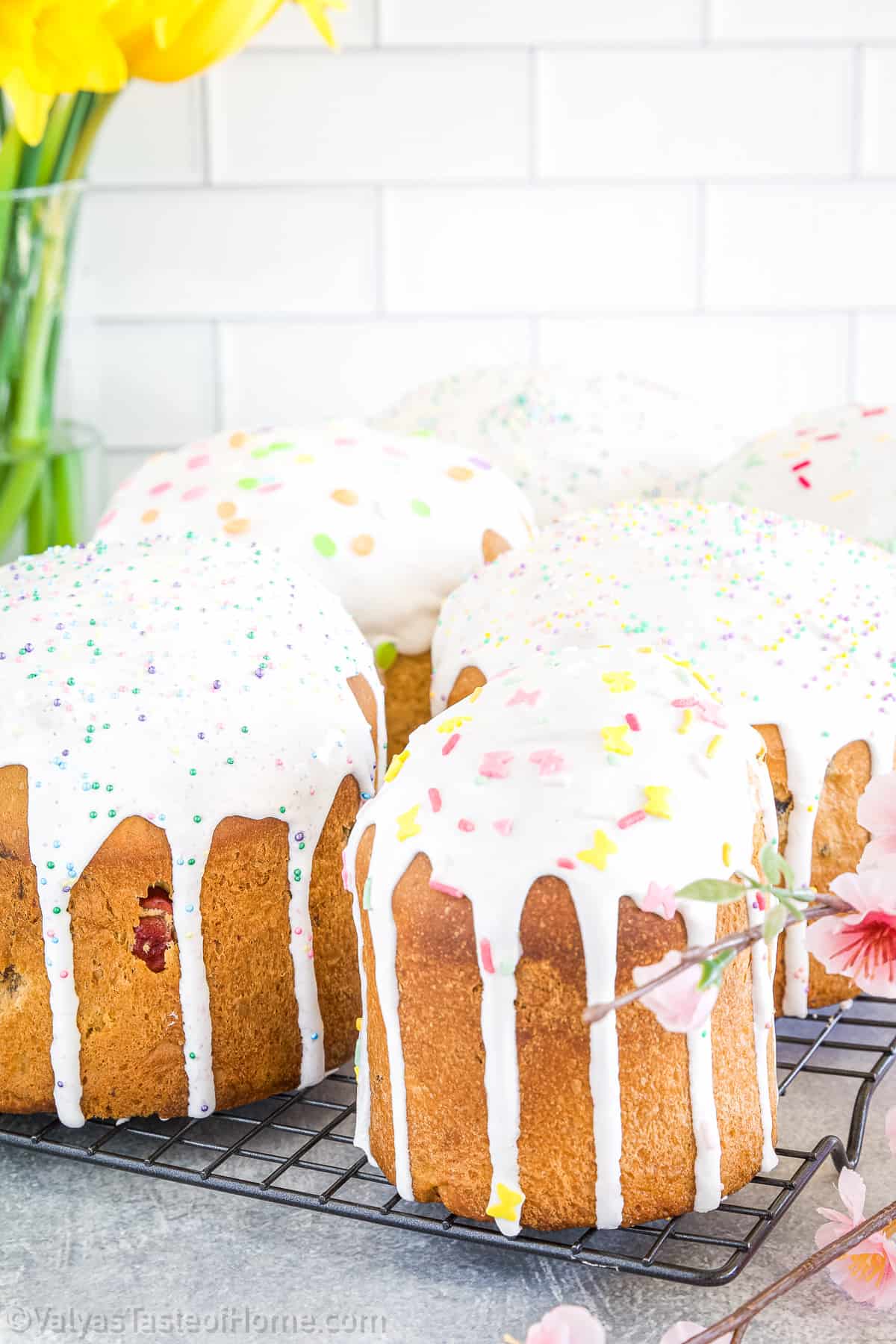
Cool and Glaze: Once the Paska Easter bread is baked, cool it in the pots for 5 minutes on a wire rack. Then, remove the bread from the pots and cool for another 5 minutes. Glaze one Paska Easter bread at a time and sprinkle with colorful sprinkles.
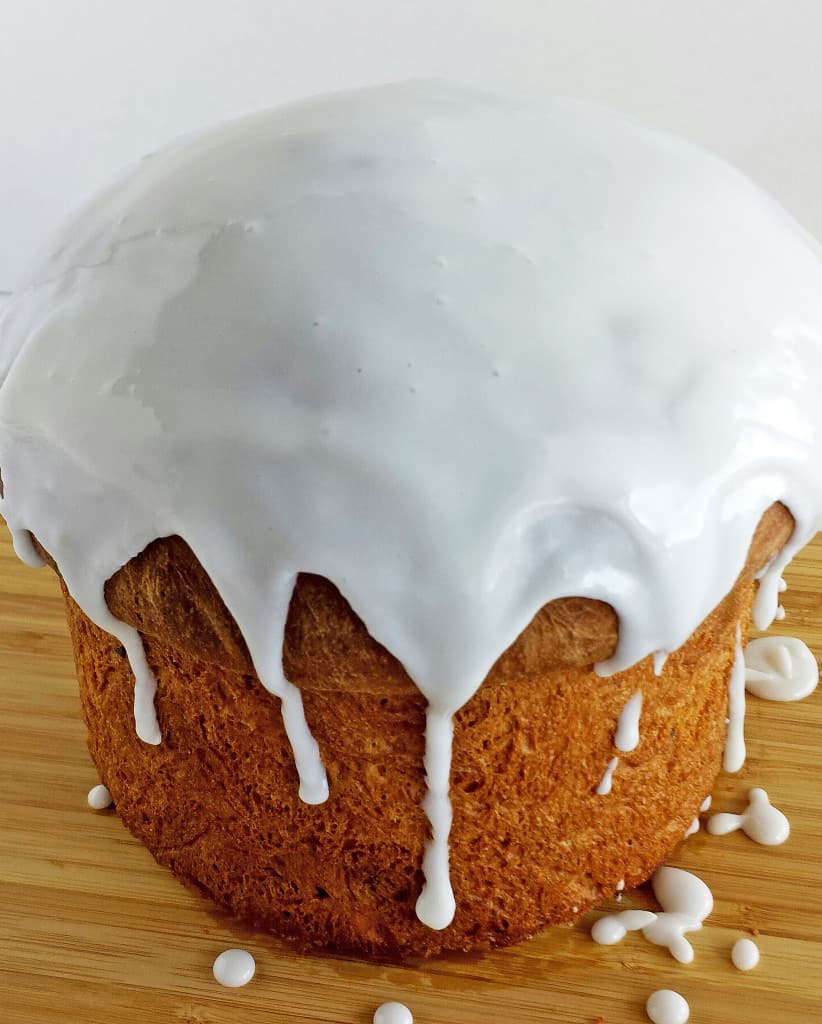
Add Sprinkles and Serve: The glaze dries fast, so make sure to add the sprinkles immediately after glazing each bread so that they stick.
Enjoy your delicious traditional Ukrainian bread or Paska with a drizzle of honey and a cup of homemade latte!
Serving Suggestions for Paska Easter Bread
- Looking for a sweet breakfast treat? Serve this Paska Easter bread toasted with a generous spread of butter. The warm bread and creamy butter make for a perfect start to your day.
- For a festive dessert, try serving this Ukrainian Easter bread with a side of fresh berries and a dollop of whipped cream. The light, sweet flavor of the bread pairs perfectly with the tartness of the berries and the smoothness of the cream.
- Want a unique snack for your afternoon tea? This paska Easter bread also goes well with a cup of tea. The subtle sweetness of the bread compliments the bitterness of the tea, making it a perfect pair for your tea time.
Paska Easter Bread Recipe Variation Ideas
This delicious Paska Easter bread is absolutely perfect as is, but if you’re looking to change things up, here are a few variation ideas you can try:
- Zesty: If you’re a fan of citrusy flavors, this variation is for you. Simply add the zest of one lemon to the glaze. The tangy lemon flavor will compliment the sweet, rich flavor of the paska, making it a perfect choice for a refreshing dessert.
- Dried Fruit or Chocolate Chips: For those who love a bit of extra sweetness and chewiness, try adding a half cup of mixed dried fruits like cranberries, raisins, and apricots to the dough.
- Braided Paska: If you want to make your paska visually stunning, try making a braided version. Instead of placing the dough in pots, braid the dough and place it on a baking sheet. My braided sweet bread recipe shows you how to do this.
- Hot Cross Buns: You can also use this paska Easter bread recipe to make soft, sweet buns.
Frequently Asked Questions
Paska is a traditional Ukrainian Easter bread that is rich in flavor and symbolism. It is a central part of Ukrainian and Russian Easter celebrations and symbolizes the end of Lent and the resurrection of Christ. The bread is often blessed by a priest before being eaten on Easter Sunday.
You can tell that the paska is done baking by inserting a toothpick into the center of the bread. If it comes out clean, the paska is ready. Plus, the bread should be golden brown on the outside and should sound hollow when tapped on the bottom.
While fresh lemon juice is always the best option for flavor, you can use bottled lemon juice in a pinch. Just be aware that the flavor of the glaze may not be as bright and fresh as when using fresh lemon juice.
The glaze dries quickly due to the powdered sugar content. To prevent this, glaze and sprinkle each paska one at a time. This allows the sprinklers to stick before the glaze dries.
Absolutely! While the recipe calls for colorful sprinklers, you can use any type of sprinkling or topping you prefer. Nuts, candied fruits, or even a simple dust of powdered sugar would all be delicious alternatives.
How to Store Leftover Paska Easter Bread
- Storing: Once your paska has cooled completely, you can store it at room temperature, covered with a clean tea towel or in an airtight container. It will keep well for up to 5 days.
- Freezing: Paska bread freezes beautifully. Wrap the bread tightly in plastic wrap, then place it in a resealable freezer bag. It can be frozen for up to 3 months. Thaw overnight in the refrigerator.
- Thaw: To thaw frozen paska, simply place it in the refrigerator overnight. Once thawed, you can warm it in a 300°F oven for about 10 minutes to restore its fresh-baked flavor and texture.
- Reheating Instructions: If you’d like to enjoy your paska bread warm, simply place a slice in the toaster or oven and heat it until it’s warm and fragrant.
See all Easter recipes.

Paska Easter Bread (with Glaze and Sprinkles)
Ingredients
For the Paska Easter Bread
- 1 ½ cup luke warm whole milk
- 1 tbsp. active dry yeast (or 150 g active sourdough starter)
- 1 ¼ cup granulated white sugar
- 4 room temperature large eggs
- 4 oz. room temperature unsalted butter
- ½ tsp. sea salt
- 2 tsp. vanilla extract
- 1 tsp. almond extract
- 6 cups all-purpose flour
- 2 cups golden raisins
For the Paska Glaze
- ¼ cup whole milk
- 2 ½ cups powdered sugar
- 1 tbsp. fresh lemon juice
- Sprinkles
- Try paska glaze the cooked method.
Instructions
How to Make Paska Easter Bread Recipe
- Prepare the Dough: Use the same steps as you would for the sweet braided Easter bread with raisins to prepare the dough. Once the dough has risen, remove it from the plate onto a large oiled cutting board.
- Split the Dough: Next, split the dough into 3-4 pieces, depending on the size of your pots. If you're using pots that are 6 inches wide and 3 inches deep, you'll need to divide the dough into 4 pieces.
- Oil and Let it Rise: Place the dough into oiled pots. Let it rise for 45 minutes in a warm oven. You can preheat the oven to 110 F and then turn it off. After the bread rises, remove it from the oven.
- Bake the Bread: Heat the oven to 350 F. Bake all the bread in one oven for 40-45 minutes. Keep an eye on them as the baking time can vary depending on your oven. If the top gets too dark, cover the bread with foil and continue baking.
- Make the Glaze: While your bread is baking, prepare the glaze. In a small bowl, mix milk and powdered sugar for a few minutes. Then, add freshly squeezed lemon juice. Beat the mixture for another minute. Cover the glaze and set it aside until you're ready to use it.
- Cool and Glaze: Once the bread is baked, cool it in the pots for 5 minutes. Then, remove the bread from the pots and cool for another 5 minutes. Glaze one paska at a time and sprinkle with colorful sprinkles.
- Add Sprinkles and Serve: The glaze dries fast, so make sure to add the sprinkles immediately after glazing each bread so that they stick. Enjoy your delicious paska!
Notes
- Choose the Right Dough: For a delicious Paska Easter bread, use the sweet braised Easter bread dough recipe. This dough is soft, slightly sweet, and perfect for making traditional Easter bread as its make in Ukraine.
- Allow the Dough to Rise Properly: After preparing the dough, let it rise for the recommended time. This helps the bread to develop a good texture and enhances its flavor.
- Make Use of a Warm Oven: For the dough to rise in the pots, place them in a warm oven. Preheat the oven to 110 F and then turn it off. This provides the perfect environment for the dough to rise.
- Pay Attention to Glazing and Sprinkling: After baking, cool the bread for a few minutes, then glaze and sprinkle with colorful sprinklers. The glaze dries fast, so it’s important to glaze and sprinkle one paska at a time to ensure the sprinklers stick.
Thank you for following me on Instagram, Facebook, and Pinterest!
This recipe was originally posted on April 1, 2015, and updated for a better user experience. The post may contain affiliate links. Read my disclosure.




Valya, thank you so much for this delicious recipe! I made it two days in a row 🙂 because of how good this bread is! This recipe is a keeper for sure!!!!
Aww…, that’s awesome! I’m glad you liked the recipe! Thank you very much for trying out my recipes! 🙂
I’m wondering what kind of pots you used to bake the breads in? Is there any way to check for doneness, like will a toothpick work? And do you just eat it like that or you need some butter and jam?
I’ve used my old stainless steel pots. But I also have used paper molds and both work just as good. It’s kind of hard to tell if the bread is done, because how big it is. Most of the time I just guess on the doneness by baking time and the color of the outer layer of the bread. I like it with butter but some homemade jam sounds good too.
I made your Easter bread and it turned out so delicious! It was perfect in every way! Thank you again for another great recipe!
You are very welcome Lilya! I am so happy to hear that, and glad you liked it. 🙂
These loaves look so pretty! I love the frosting with the sprinkles you added! I love to add a pop of color to my food whenever I can too. Happy Easter!
Thank you Shelby.
The print version doesn’t work
I’m not sure what is wrong. I was able to print. Try to exit the website and open again. Hopefully that will do it for you.
Valichka! Thank you for such an amazing recipe.
Blessings to you and your family during this Holiday.
He is risen!!!
Thank you so much Lena! Blessings to you as well! Indeed He rose!!!
I love kulichi! Valya, these are so lovely! I wish I could eat one, but I have gluten intolerance. 🙁
Thank you Julia! I wander how it turns out if you try making I out of gluten free flour, like corn flour. Have you tried making it before?
Yum! I love this bread, it looks delicious!
Thanks Katy! We all love it too! It’s a must have for Easter 🙂